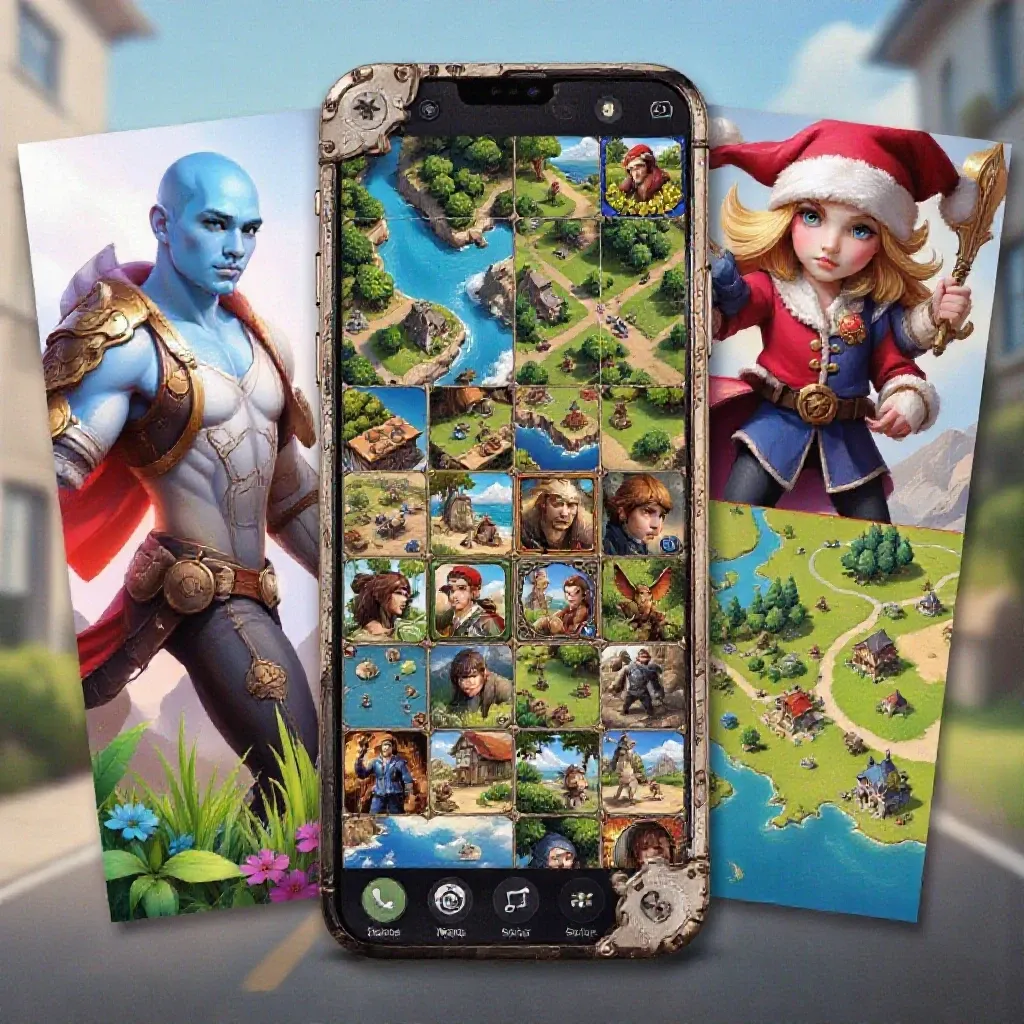
Okay, I admit it. When I first stumbled across the idea of a single app offering a thousand free games, my internal eye-roll was so powerful I almost pulled a muscle. The gaming world is rife with promises that sound too good to be true and they often are. Are these apps a treasure trove of entertainment, or a cleverly disguised data-harvesting scheme? That’s the question, isn’t it?
Let’s be honest, the prospect of unlimited free access to a vast library of titles is undeniably appealing. The allure is there, especially for those looking to kill time on their commute, entertain kids without breaking the bank, or simply explore a diverse range of gaming experiences on Android or iOS without commitment.
But before you dive headfirst into this seemingly endless ocean of free games, it’s wise to pause and consider the potential catches. This isn’t your average game review; it’s a critical examination of the 1000-free-games-in-one-app phenomenon. This expert and unbiased review aims to dissect the good, the bad, and the downright ugly, leaving you equipped to make an informed decision. By the end of this, you’ll understand what these gaming apps truly offer, and whether they’re a worthy addition to your mobile device or just another piece of digital clutter.
What Exactly are These “1000 Free Games” Apps?
Imagine having access to a massive arcade, right on your phone. That’s essentially what “1000 Free Games” apps promise. These aren’t individual games in the traditional sense; instead, they function as a game aggregator, offering a collection of multiple casual games within a single application.
Think of it as a mobile gaming platform overflowing with variety. Players can expect a wide array of simple, often hypercasual games spanning different genres – puzzles, arcade classics, racing, and more. The core appeal lies in the convenience of accessing a vast library without downloading dozens of individual apps. Usually available on both Android and iOS, these apps target casual gamers and anyone seeking instant entertainment. However, the trade-off for such breadth often involves simplified gameplay and less sophisticated graphics compared to dedicated, standalone titles.
Popular App Examples
The app landscape is overflowing with engaging options, and several standouts have captured the hearts of players worldwide. These games distinguish themselves through compelling gameplay, innovative features, and strong community engagement.
Candy Crush Saga, a puzzle game developed by King, is one of the most downloaded and played mobile games of all time. Its simple mechanics and colorful design create an incredibly addictive experience, making it ideal for casual players looking for a quick mental break. The game’s continuous updates and special events ensure that dedicated players always have a reason to return. Its free-to-play model, combined with optional in-app purchases, makes it accessible to everyone while still providing revenue for the developers.
Fortnite, developed by Epic Games, has revolutionized the battle royale genre on mobile platforms. With its fast-paced action, unique building mechanics, and constant introduction of new content, Fortnite has become a cultural phenomenon. Its availability on multiple platforms, coupled with its cross-platform play capabilities, allows players to connect with friends regardless of their device. The game’s free-to-play model and engaging seasonal content have made it a mainstay in the mobile gaming world.
Pokémon GO, developed by Niantic, took the world by storm with its innovative blend of augmented reality and location-based gameplay. This free game encourages players to explore their surroundings in search of virtual Pokémon, creating a unique and interactive experience. Community events, ongoing updates, and the inherent appeal of the Pokémon franchise have ensured its continued popularity. The game’s ability to get players outdoors and interacting with their environment sets it apart from many other mobile games, turning it into a fun way to exercise.
These titles represent a fraction of the popular free games available. Their success lies in their ability to provide engaging experiences, continuous updates, and a strong sense of community, solidifying their positions as some of the best free games on the market.

The Appeal: Why are These Apps So Popular?
The surge in popularity of apps offering a collection of free games is no accident. Several factors contribute to their widespread appeal, tapping into core psychological desires and aligning perfectly with modern mobile habits. At the heart of it is the allure of “free” entertainment. Users are drawn to the prospect of accessing a variety of games without any upfront cost, a powerful motivator in today’s economy.
Furthermore, these apps cater to the human desire for variety. Instead of being limited to a single game, users can explore a diverse range of options, from puzzles and arcade-style challenges to simple strategy games. This constant novelty helps combat boredom and keeps users engaged. These apps tap into the broader mobile game trends, understanding that accessibility and short playtime are key. These games are designed to be picked up and played in short bursts, fitting seamlessly into busy lifestyles.
The convenience of having multiple games in one place is another significant draw. No need to download and manage individual game apps; everything is neatly packaged within a single platform. This ease of access fosters a casual gaming community where users can dip in and out of different games as their mood dictates.
While the allure of free entertainment and variety is strong, these apps also face the challenge of maintaining long-term engagement. The very nature of offering multiple games can lead to a sense of shallowness, and users may quickly tire of the lack of depth in any one particular game. The need for constant novelty and fresh content is therefore crucial for these apps to retain their popularity.
The Dark Side: Legitimacy Concerns and Potential Risks
While people search apps offer convenience, it’s crucial to acknowledge the potential downsides. Concerns about safety, hidden costs, and data privacy are valid and should be carefully considered before downloading and using such applications.
One significant risk is the potential for malware. Some unscrupulous developers might disguise malicious software within seemingly legitimate apps, compromising your device’s security. Once installed, this malware could steal personal information, track your location, or even damage your device. Both Android security and iOS security can be vulnerable if users aren’t cautious about the apps they install.
Another common complaint revolves around hidden costs and aggressive monetization strategies. Many apps advertise themselves as “free” but rely on excessive advertising or deceptive in-app purchases to generate revenue. Users might find themselves bombarded with intrusive ads or pressured to spend money to unlock essential features. It’s important to read the fine print and user reviews before committing to an app, even if it seems free at first glance.
Data privacy is another major concern. People search apps often require access to your contacts, location, and other personal information. While some of this data is necessary for the app to function, there’s always a risk that it could be misused or shared with third parties without your consent. Seemingly harmless apps can collect user data which can expose sensitive information leading to potential privacy violations. You have to be careful if the app’s privacy policy is vague or non-existent
So, are these apps considered game scams? Not all of them, but some certainly toe the line. If an app makes unrealistic promises, asks for excessive permissions, or uses aggressive advertising tactics, it’s wise to proceed with caution. Ultimately, the legitimacy of a people search app depends on the developer’s integrity and their commitment to transparency and user privacy. Doing your research and exercising caution is essential to protect yourself from potential scams and security risks.
How the Apps Make Money (and Why It Matters to You)
Ever wonder how that addictive free game stays afloat? It’s all about app monetization. While you might not be paying upfront, the developers are definitely making money, and understanding how is crucial to understanding your experience.
The most common method is advertising revenue. Expect to see banner ads, those persistent little strips at the top or bottom. Interstitial ads pop up between levels or actions, interrupting your flow. And then there are video ads, sometimes skippable, sometimes not. This constant barrage can be annoying, impacting gameplay and draining your battery. However, advertising allows the apps to be free.
In-app purchases are another huge earner. Many games offer virtual items, cosmetic upgrades, or the option to remove ads entirely, all for a price. While these purchases are optional, the game is often designed to subtly nudge you towards them. It is up to the user if he or she wants to spend money or not. It’s a trade-off: convenience and enjoyment for real-world money.
Finally, and most controversially, is user data. Many free apps collect information about your usage habits, preferences, and even personal details. This data monetization allows them to target ads more effectively or sell anonymized data to third parties. While the apps claim data is anonymized, the potential privacy implications are significant. The advantage of a free app may come at the cost of your data.
Navigating the Sea of Games: Finding the Gems
The digital marketplace teems with games vying for your attention, but amidst the colorful icons and enticing promises lie potential pitfalls. Ensuring safe downloads and usage is paramount to protecting your personal information and device security. So, how do you navigate this sea of games and discover genuine treasures without running aground?
Check the Developer’s Reputation: Before hitting that download button, delve into the developer’s history. Has the developer launched other apps? What is their reputation? Established developers with a proven track record are generally safer bets than unknown entities. A little research can reveal a lot.
Scrutinize App Permissions: App permissions are essentially the keys to your digital kingdom. Does a puzzle game really need access to your contacts or location? Be wary of apps requesting excessive permissions unrelated to their core functionality. Deny permissions that seem intrusive or unnecessary. This is a crucial step in maintaining mobile security.
Read User Reviews: User reviews are a goldmine of information. Pay attention to both positive and negative feedback. Look for patterns and recurring issues like reports of malware, excessive ads, or unexpected data usage. A healthy dose of skepticism is always advisable.
Utilize a Mobile Security App: Consider using a reputable mobile security app. These apps can scan downloaded games for malware and other security threats, adding an extra layer of protection against potential harm.
Be Cautious About In-App Purchase Prompts: Many games employ in-app purchases to generate revenue. Be mindful of these prompts, especially if you’re allowing children to play. Disable in-app purchases in your device settings to prevent accidental or unauthorized spending.
Ultimately, safe gaming relies on critical thinking. Don’t blindly trust an app’s claims. By taking these precautions, you can enjoy the world of mobile gaming with greater confidence and peace of mind. Happy gaming!

Are These Apps Worth Your Time? The Expert Opinion
So, should you dive into the world of these readily available people search apps? The answer, like with most things, isn’t a simple yes or no. There’s definitely a lure. The immediate access to information, the curiosity they spark – these apps tap into a very human desire to know more.
For the casual user, someone looking to quickly verify a phone number or satisfy a fleeting curiosity, these apps might offer some entertainment value. The interface is simple enough, and the initial search results can feel rewarding. However, it’s crucial to remember the potential drawbacks. The accuracy of the information is questionable, the privacy implications are significant, and the constant barrage of ads can quickly become tiresome.
The “free” aspect is also deceptive. You’re paying with your data, your attention, and potentially your peace of mind. Weigh the entertainment value against the risks. For those seriously concerned about privacy or requiring reliable information, a more thorough, professional approach is always recommended. In conclusion, proceed with caution. These apps can be a fleeting distraction, but the long-term cost might outweigh the short-term gain. Therefore, the game value could be only for a specific public.
Beyond the App: Exploring Alternatives
If the idea of a single app offering a thousand games sounds tempting but raises concerns about privacy and quality, rest assured there are plenty of alternative ways to explore the world of gaming without the risks.
Consider diving into game subscription services. Platforms like Apple Arcade and Google Play Pass offer curated libraries of games for a monthly fee. These games are typically higher quality, ad-free, and often designed with user privacy in mind, providing a much safer and more enjoyable gaming experience compared to the often-unregulated content found in “too good to be true” apps.
Another avenue is exploring online gaming platforms that host a wide variety of titles. Many of these platforms have community guidelines and moderation policies that help ensure a safer environment for players. You can even find curated lists of safe, free games online, often categorized by genre and age appropriateness.
Cloud gaming is also becoming increasingly popular, allowing you to stream games to your device without needing to download or install anything. This can be a great way to try out different games without committing to large downloads or worrying about storage space. For those with a penchant for nostalgia, retro gaming emulators can be a fun option, provided you obtain the game ROMs legally. This lets you revisit classic titles from older consoles in a safe and controlled environment. These alternatives often provide a better balance of game variety, quality, and security.
Conclusion
Navigating the world of 1000-in-1 free game apps requires a blend of excitement and caution. While the allure of a vast library of games without upfront costs is undeniable, it’s crucial to remain vigilant about the potential risks. From privacy concerns and intrusive ads to the possibility of malware, the free gaming landscape demands a proactive approach to safe gaming practices.
The mobile gaming future promises even more innovation and accessibility. By staying informed, exercising caution with app permissions, and prioritizing reputable sources, it is possible to enjoy the benefits of free games while mitigating potential harms. Share experiences or ask questions about the world of free mobile games – let’s learn and navigate this ever-evolving landscape together to help each other.